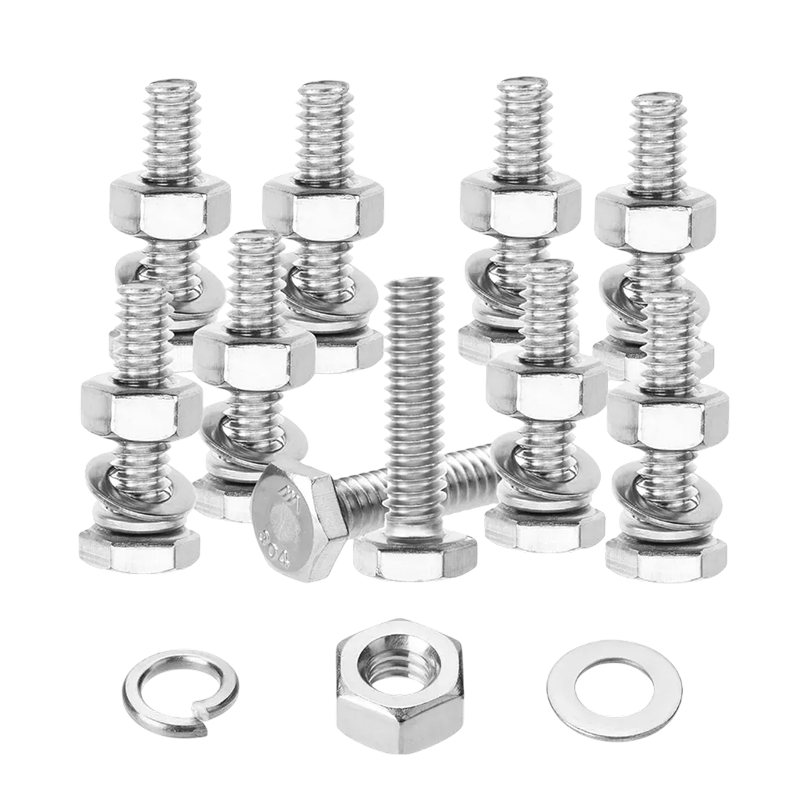
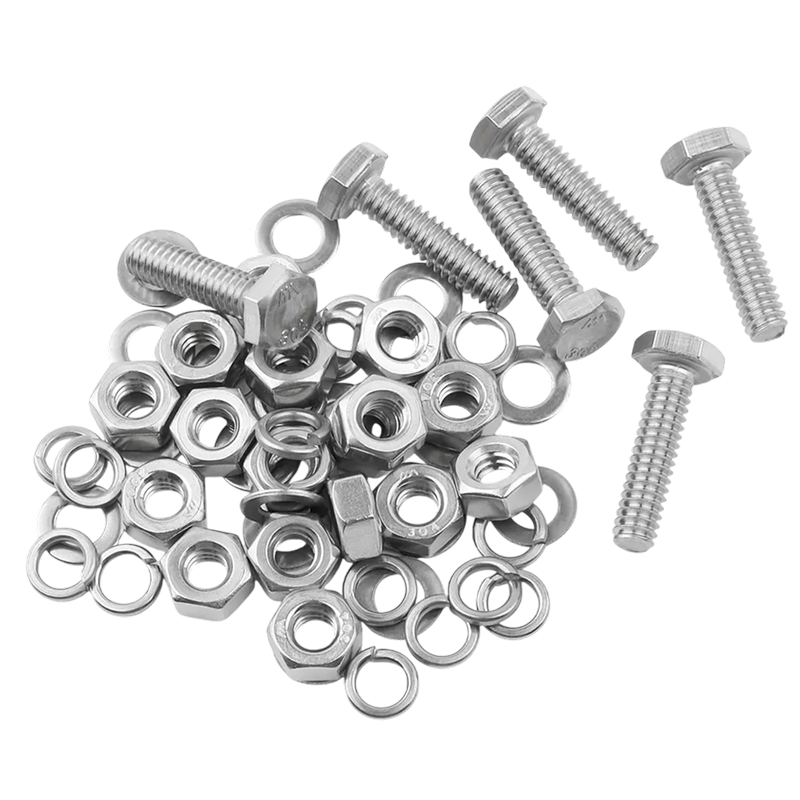
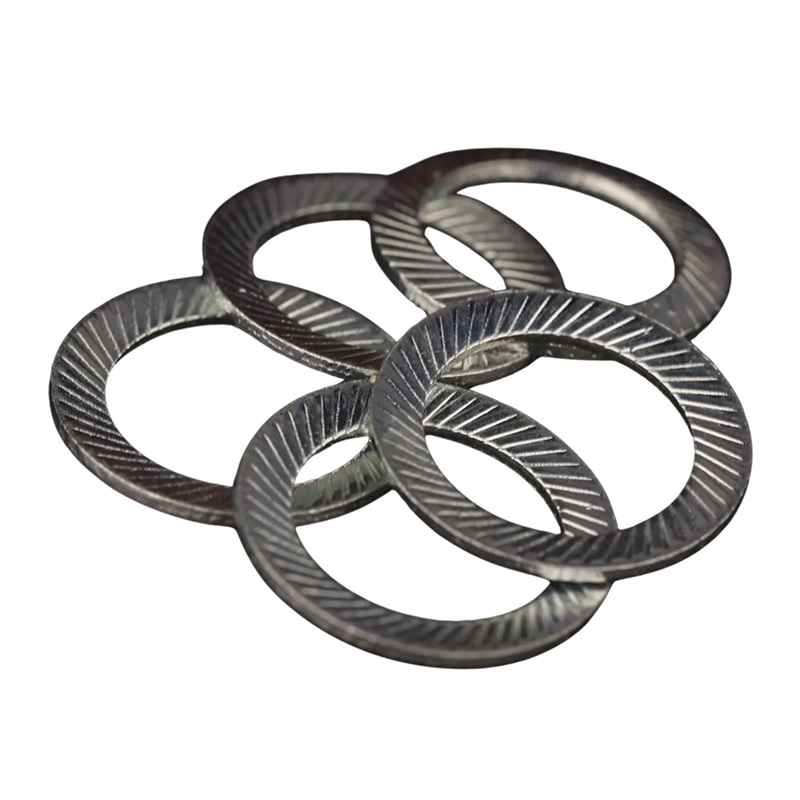
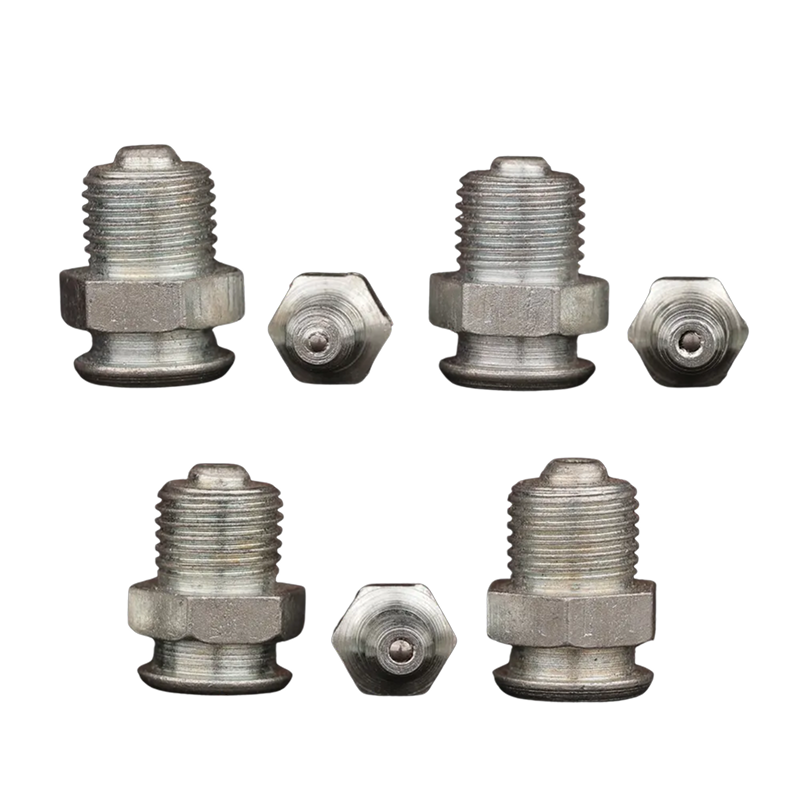
Inch Thread and Metric Thread

Product Dimensions

ParameterInch ThreadMetric Thread
Measurement UnitThreads per inch (TPI)Millimeters between threads (Pitch)
Common StandardsUnified Thread Standard (UTS), ASMEISO Metric Thread System
Thread AngleTypically 60° (UTS), 55° (Whitworth)60°
Pitch OptionsMultiple pitches per diameter (coarse and fine)Coarse and fine pitch options per size
Size RangeNominal diameters in inches (e.g., 1/4″, 3/8″)Nominal diameters in millimeters (e.g., M6, M10)
Typical ApplicationsWidely used in USA, Canada, UKPredominantly used worldwide, especially in Europe, Asia
Tolerance SystemFewer tolerance classes, less granularISO tolerances with wide tolerance ranges

Industrial Applications

  • Inch Threads: Common in North American and British industrial equipment, automotive, aerospace, and construction, especially where legacy standards apply.
  • Metric Threads: Widely used internationally across aerospace, automotive, machinery, electronics, and general manufacturing due to ISO standardization and precision.

Product Description

Inch threads specify the number of threads per inch (TPI), making them easier to measure in imperial units but potentially more complex to standardize internationally. Metric threads specify the pitch, or the distance between threads, giving finer control over thread engagement and strength characteristics. Metric threads simplify global manufacturing and control of tolerances with standardized pitch options and universal measurements. Both systems offer coarse and fine thread options to suit load, tension, and application requirements.

Product specifications

  • Thread Angle: Both commonly use 60°, but some inch threads (Whitworth) use 55° for older standards.
  • Definition: Inch = threads per inch (TPI), Metric = thread pitch in mm.
  • Tolerance Classes: Metric threads provide numerous tolerance classes (e.g., 6g, 6H) for major and pitch diameters, enhancing precision. Inch thread tolerances (UNF, UNC) are less varied.
  • Sizes and Fits: Inch threads sizes denoted as fractions or decimals (e.g., 1/4-20 means 1/4″ diameter and 20 TPI); metric threads use M followed by diameter and pitch (e.g., M8x1.25).
  • Interchangeability: Not interchangeable; correct matching fastener and nut/threaded hole is critical.
  • Strength and Load: Metric threads often preferred for finer pitch offering superior tension control, but inch threads offer a broader range of pitch options per diameter.
  • Common Applications: Inch threads in machinery and automotive in countries using imperial units; metric threads globally in automotive, aerospace, construction, and electronics.

Related Products