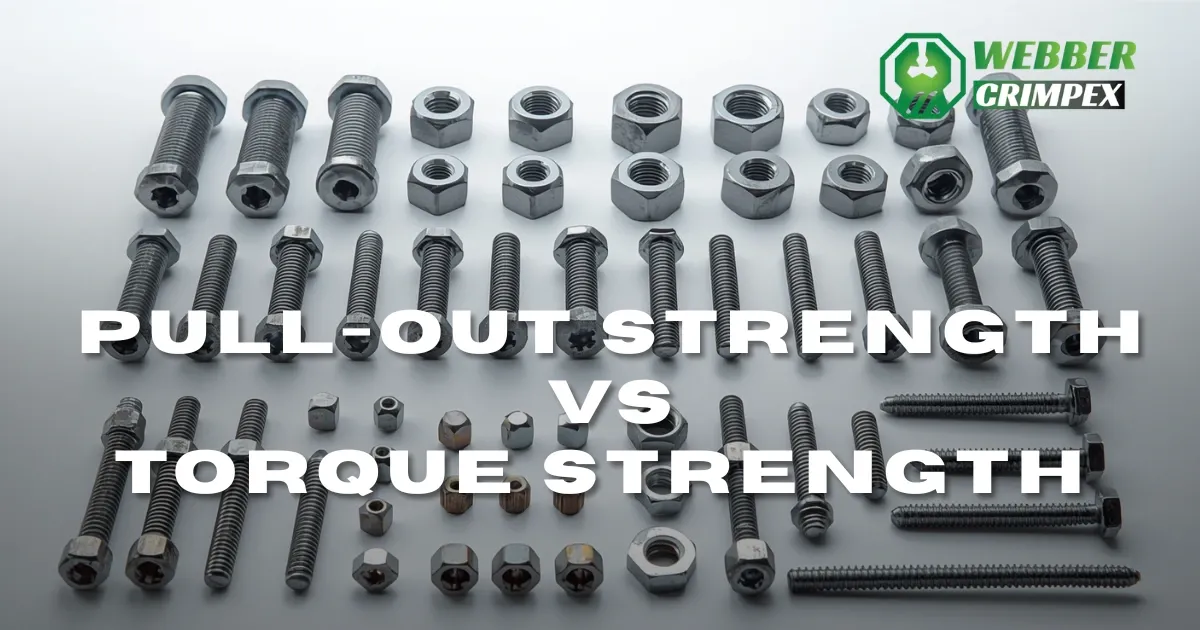
At Webber Crimpex, we see one common mistake across industries. People confuse Pull-Out Strength vs Torque Strength and assume both mean the same thing. They do not. In reality, these two values decide whether a joint stays safe or fails early. Therefore, understanding Pull-Out Strength vs Torque Strength is not optional. It is critical. This guide explains Pull-Out Strength vs Torque Strength in simple terms so even a beginner can understand and apply it correctly on the shop floor.
Pull-Out Strength vs Torque Strength Explained Simply
Pull-Out Strength vs Torque Strength describes two different failure modes in fasteners. Pull-out strength measures how much force is needed to pull a fastener straight out from the base material. Torque strength measures how much twisting force a fastener can handle during tightening before failure.
Therefore, Pull-out strength shows how much straight pulling force is needed before a fastener comes out of the base material while torque strength relates to how much twisting force the fastener can take during tightening before it fails.
What Is Pull-Out Strength in Fasteners
Pull-out strength refers to the amount of straight pulling force a fastener can withstand before it pulls free from the base material.. How hard can you pull before the fastener slips or tears out. Pull-Out Strength vs Torque Strength becomes clear here because pull-out strength depends mostly on the base material. For example sheet metal plastic aluminum and thin steel all give different results. Thread depth grip length and fastener diameter also affect pull-out strength. Therefore, choosing the correct fastener is more important than choosing a stronger bolt.
What Is Torque Strength in Fasteners
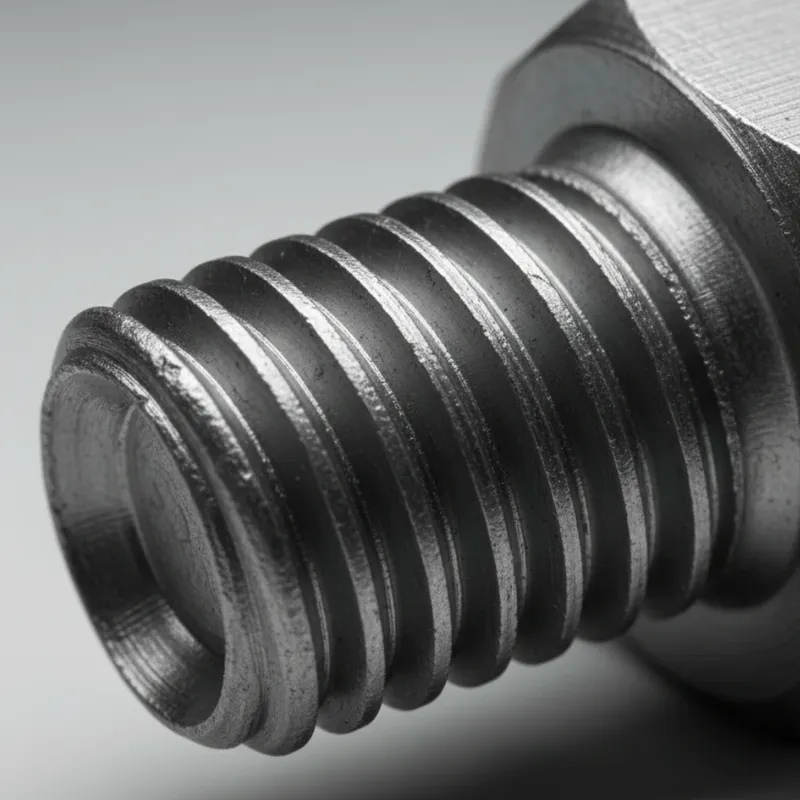
Torque strength refers to how much tightening force a fastener can take before it starts failing during installation. It shows how much twisting force the fastener and threads can survive before stripping snapping or rounding.
When comparing Pull-Out Strength vs Torque Strength, torque strength depends on fastener material coating and thread quality. It also depends on the tool used. Over-torque is a common failure cause. Therefore, even a high-grade fastener can fail if torque limits are ignored.
Why Pull-Out Strength vs Torque Strength Confuses Buyers
Most buyers only ask one question. How strong is this fastener. That is the wrong question. Strength without direction means nothing. Pull-Out Strength vs Torque Strength highlights that fasteners fail in different ways under different loads.
For example a fastener may survive high torque but fail in pull-out if the sheet is thin. Similarly a fastener may resist pull-out but strip during tightening. Therefore, ignoring Pull-Out Strength vs Torque Strength leads to unsafe assemblies and repeat failures.
Key Differences Between Pull-Out Strength vs Torque Strength
| Factor | Pull-Out Strength | Torque Strength |
|---|---|---|
| Load direction | Axial | Rotational |
| Depends on | Base material thickness | Fastener material |
| Failure mode | Fastener pulls out | Threads strip or break |
| Affected by | Grip length thread form | Tool control lubrication |
| Common mistake | Using thin sheets | Over-tightening |
This table shows why Pull-Out Strength vs Torque Strength must be evaluated together and not separately.
How Base Material Impacts Pull-Out Strength vs Torque Strength
Base material plays the biggest role in Pull-Out Strength vs Torque Strength. Thin sheets give low pull-out values. Hard materials give better thread engagement. Soft materials may accept torque but fail in pull-out.
Therefore, at Webber Crimpex, we always match fastener type to base material. Crimp nuts self clinching fasteners and special threaded inserts improve pull-out strength in thin sheets. Without this step torque values alone are meaningless.
Role of Thread Design in Pull-Out Strength vs Torque Strength
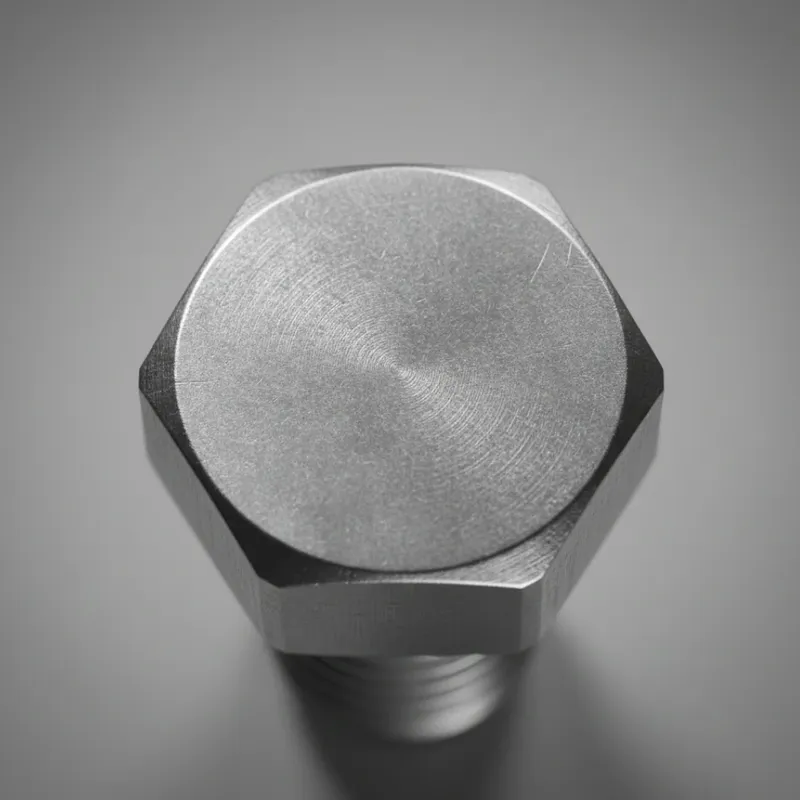
Thread design controls both pull-out strength and torque strength. Deeper threads increase pull-out resistance. Sharper threads increase bite but may reduce torque margin.
Therefore, Pull-Out Strength vs Torque Strength must be balanced. Aggressive threads are not always better. Controlled thread geometry gives predictable performance and reduces installation errors.
Installation Method and Its Effect on Pull-Out Strength vs Torque Strength
The installation method directly affects Pull-Out Strength vs Torque Strength. Power tools increase speed but also increase risk. Manual tools give a better feel but lower repeatability.
Moreover, an incorrect installation angle reduces pull-out strength. Over-speed tightening reduces torque accuracy. Therefore, training matters as much as fastener selection.
Why Torque Control Matters More Than People Think
Torque control is often ignored. People tighten until it feels tight. That is dangerous. Torque strength has limits. Once crossed, damage starts, even if it is invisible.
Pull-Out Strength vs Torque Strength becomes relevant again here because over-torque can weaken pull-out performance by damaging threads or base material. Therefore, correct torque settings protect both values.
Industrial Applications Where Pull-Out Strength vs Torque Strength Decides Safety
In automotive assemblies, vibration is high. Torque strength matters during installation. Pull-out strength matters during service.
In electrical panel,s thin sheets are common. Pull-out strength is critical. In heavy machinery, both values must be balanced. Therefore, Pull-Out Strength vs Torque Strength decides whether the product lasts years or fails early.
Testing Methods Used at Webber Crimpex
At Webber Crimpex, we test both values separately. Pull-out tests apply axial force until failure. Torque tests apply a controlled rotational force until stripping or breakage.
We never rely on catalog values alone. Real material, real thickness, and real conditions matter. Therefore, our recommendations are practical, not theoretical.
Common Mistakes While Ignoring Pull-Out Strength vs Torque Strength
- Choosing fasteners based only on size
- Over-tightening during assembly
- Ignoring sheet thickness
- Using wrong installation tools
- Assuming higher grade means safer
Each mistake leads to failure. Pull-Out Strength vs Torque Strength exists to prevent these errors.
How to Select the Right Fastener Using Pull-Out Strength vs Torque Strength
First identify the load direction. Then evaluate base material. After that check torque limits. Finally choose fastener type that balances both values.
At Webber Crimpex, we guide customers through this process daily. Therefore, assemblies become safer and rework reduces drastically.
Why Crimp Nuts Improve Pull-Out Strength vs Torque Strength
Crimp nuts are designed for thin sheets. They improve pull-out strength by forming mechanical interlock. They also offer stable torque performance.
This is why crimp nuts are widely used in automotive panels enclosures and appliances. Pull-Out Strength vs Torque Strength is balanced by design.
Pull-Out Strength vs Torque Strength in Real World Failures
Most field failures are silent. A fastener loosens pulls out or strips after months. Root cause analysis often shows poor understanding of Pull-Out Strength vs Torque Strength.
Therefore, prevention starts at design stage. Correct selection saves money time and reputation.
Industry Standards and Testing References
International standards define testing procedures for pull-out and torque testing. For deeper technical reference you can check ISO testing guidelines on fasteners.
External reference: https://www.iso.org
This helps engineers validate design assumptions using globally accepted methods.
Final Technical Note from Webber Crimpex
Pull-Out Strength vs Torque Strength is not theory. It is practical engineering. Ignoring it leads to failures. Understanding it leads to safer assemblies and longer product life.
If you want reliable fastening solutions tested for real conditions Webber Crimpex is ready to support your application.